
 |
|
|
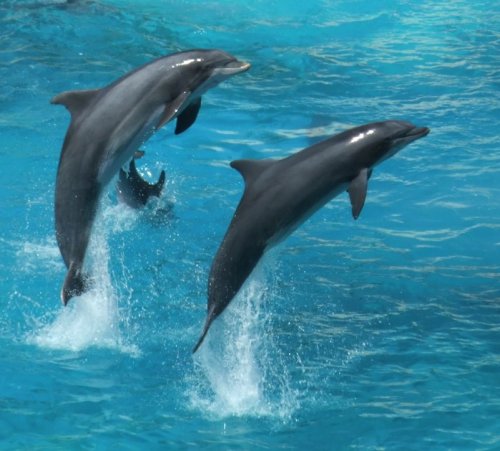
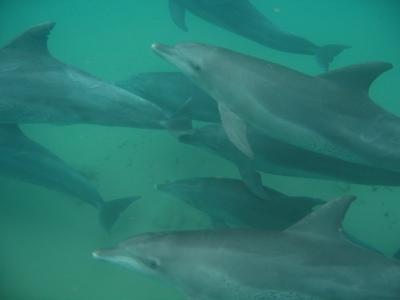
| Dolphins are my faviort animal in the world. Dolphins are one of the smartest animals in the world. Dolphins are always in groups that alot of the time keep them alive. There are alot of different dolphins in the world and the are all different in one way or another. |
|
|
|
|
 |
There are 32 types of dolphins they are The Bottlenose dolphin, the Killer Whale, the Common dolphin, the False Killer Whale, the Hector's dolphin, the Short-Finned Pilot Whale, the Commerson's dolphin, the Long-Finned Pilot Whale, the Black dolphin, the Atlantic Humpbacked dolphin, the Haeviside's dolphin, the Indo-Pacific Humpbacked dolphin, the Southern Right Whale dolphin, the Tucuxi, the Northern Right dolphin, the Pygmy Killer Whale, the Spotted dolphin, the Melon-Headed Whale, the Atlantic Spotted dolphin, the Irrawaddy dolphin, the Striped dolphin, the Rough-Toothed dolphin, the Spinner dolphin, the Risso's dolphin, the Clymene dolphin, the Fraser's dolphin, the White-Beaked dolphin, the Peale's dolphin, the Atlantic White-Sided dolphin, the Hourglass dolphin, the Pacific White-Sided dolphin and the Dusky dolphin. |
| http://2.bp.blogspot.com/_Nb8DOoLyFwk/Sa3G2XJh2dI/AAAAAAAAMlM
/8QnXjbE5qss/s400/pink_dolphin1.jpg |
http://dolphins-and-more.com/what-are-the-32-types-of-dolphins.html |
| Back To Top |
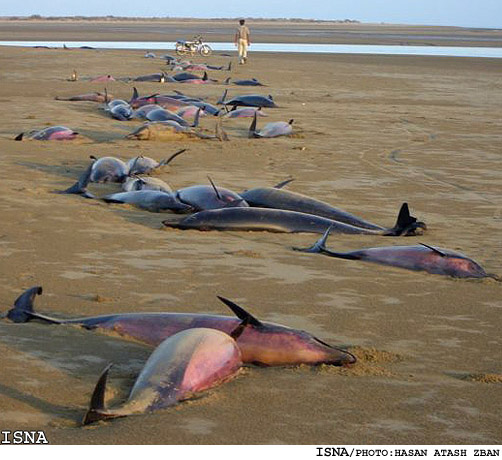 |
The dolphins environment is in bad condition right now. Like is Australia the snubfin dolphin is in danger. the danger is mainly from fishermen things like fishing nets, boat strikes, increased shipping and large scale coastal development. All around the world you hear about dolphins getting cought in nets. But have you ever heard that some one did something to help them, well I haven't. so im hopeing that when I'm older I will do something for theses helpless aminals. Also dolphins are hunted by the Japanese. They have done this for 400 years. |
| http://www.payvand.com/news/07/nov/Dead-Dolphins-Jask-PersianGulf1.jpg |
|
| As the oil, from the BP oil spill, begins to reach the shoreline, officials are reporting the toll it is taking on wildlife – brown pelicans, sea turtles, fish and now some dolphins have been found dead. But this is only the beginning. | 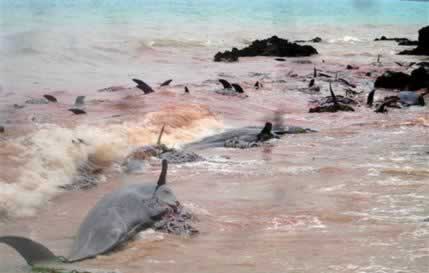 |
|
|
http://neatorama.cachefly.net/images/2006-04/hundreds-of-dead-dolphin-
killed-by-sonar.jpg |
| Back To Top |
 |
Dolphins use their powerful tail flukes in an up and down motion to move through the water. They also use their tails when hunting, hitting a flinging fish up into the air with their tail, stunning it, then scooping the fish up when it falls back into the water. A dolphin slapping its tail on the water in the wild may be a sign of annoyance, or a warning to other dolphins of danger. Their tail muscles are extremely powerful allowing them to stand upright on their tail fin and propel themselves forward - walk on water. Dolphins breathe through their blowhole located at the top of their head. A dolphin may empty and refill its lungs in less than a fifth of a second. As the dolphin breathes the air leaves the blowhole at speeds of over 100mph. Complex nerve endings around the blowhole sense pressure changes so the dolphin knows exactly when the blowhole is in or nearing the air and can be opened. Water in a dolphin's blowhole will actually drown it so powerful muscles close the blowhole as it dives under the water again. The dolphin's eyes produce a special slippery secretion which protects the eyes from foreign objects and water friction. |
|
|
|
|
|
|
| To sleep, a dolphin must shut down only half of its brain, as its breathing is under voluntary control. Dolphins take short cat-naps, floating just below the surface, and then slowly rising to breathe. Often dolphins are very active during night time, for some this is their main feeding time. The dolphin's skin is completely smooth allowing the dolphin to move easily through the water, and also reduce heat loss. Their skin may bear rake marks from other dolphin’s teeth during play or mating, and can easily become badly sun-burnt if they get stranded. Their bodies are very streamlined so they may swim at high speeds through the water, and an example of this is their ears. Dolphin's ears are barely noticeable marked only by a small hole just behind the eye. In a bottlenose dolphin the ear is about 5-6 cm’s behind the eye and only 2-3 mm in diameter. Dolphins are able to dive to great depths, and also leap to great heights. They may leap to avoid predators or to show how powerful they are to females at mating time. Noisy splashing jumps may also be used to herd fish. Bottlenose dolphins can dive to depths of over 1,640 ft (500m). Dolphins carry their young longer than humans, for about 12 months. The newborn emerges tail first and may suckle for up to 4 years. The baby will however stay with its mother for between 3-6 years, during which time it learns all about feeding techniques, social interaction and group foraging. Females are likely to stay within the family pod with their mother and sisters, though males will leave and form associations with other males. Dolphins have defined home ranges, an area in which they will roam and feed. |
 |
|
|
|
| Back To Top |